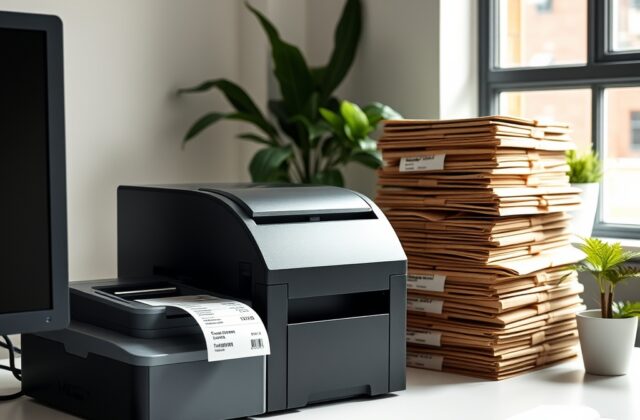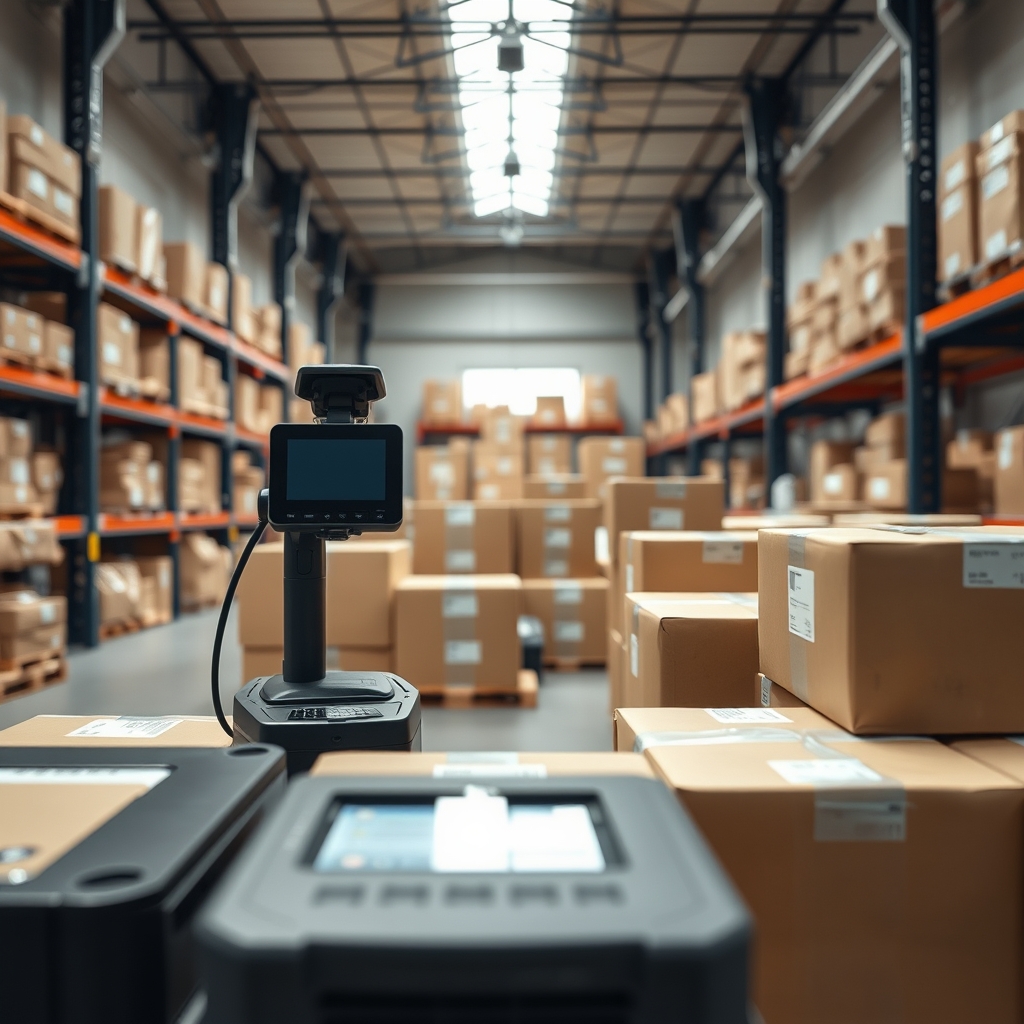
A click and drop business refers to an integrated logistics workflow where an enterprise generates shipping labels digitally and deposits pre-labeled parcels directly into a carrier’s network for final delivery. This model bypasses traditional manual processing at the point of drop-off, allowing merchants to streamline high-volume distribution through automated electronic manifest systems.
By digitizing the documentation phase, businesses reduce administrative overhead and improve tracking transparency for the end consumer. This methodology is a standard feature for modern e-commerce operations looking to scale their fulfillment capabilities while maintaining direct control over the initial parcel handover process.
. Key insights regarding click and drop business provide valuable clarity for best results.
Direct Answer: The Definitive Truth About click and drop business
The primary purpose of this model is to eliminate the bottleneck of manual label creation and data entry at physical service points. When a company uses a digital platform to prepare shipments, the carrier receives the manifest data electronically before the parcel even reaches the sorting facility. This pre-clearance allows for faster induction into the logistics network, which is critical for meeting modern consumer expectations regarding delivery speed and status updates.
The Core Factors Behind the Answer: Why This Is the Case
Logistics providers encourage this model because it minimizes human error and reduces the time spent at counter interfaces. When a business prints a compliant label that includes all necessary routing information and tracking barcodes, the carrier’s scanning equipment can process the item immediately upon arrival.
According to HMRC official documentation regarding supply chain transparency, maintaining clear electronic audit trails is essential for compliance in modern trade. By using these systems, businesses ensure that their shipping data is accurately captured, which helps in reconciling accounts and managing inventory flows effectively.
Critical Variables: What Changes Depending on Your Situation
Implementation varies significantly based on the volume of parcels and the specific requirements of the chosen logistics provider. Smaller enterprises might use basic web-based portals to generate individual labels, while larger organizations often integrate their warehouse management software directly with carrier APIs to automate the entire process.
Weight restrictions and package dimensions also dictate the specific service level agreements available within a click and drop framework. Businesses must ensure that their packaging meets the specific criteria outlined by the Wikipedia overview of logistics to prevent delays or additional surcharges during the sorting phase.
Real-World Scenarios & Everyday Applications
Consider an online retailer preparing for a seasonal peak. Instead of waiting in queues at a service point, the retailer uses a bulk printing feature to generate hundreds of labels, attaches them to pre-packed boxes, and drops them at a designated collection hub. This creates a seamless transition from the warehouse floor to the logistics network.
Another application involves return logistics. By providing customers with a pre-generated digital label, the business simplifies the reverse logistics process, allowing the customer to drop the parcel at a convenient location without requiring further intervention from the retailer's support team.
Practical Next Steps: What You Should Do Now
. Key insights regarding click and drop business provide valuable clarity for best results.
To optimize your operations, begin by auditing your current shipping volume and identifying the most frequent destination regions. Contact your preferred national carrier to inquire about their specific business account requirements for digital label generation.
Ensure your internal IT systems are capable of pulling tracking numbers automatically so that your customers receive confirmation emails as soon as the label is generated. This transparency builds trust and reduces the volume of 'where is my order' inquiries directed at your customer service team.
Frequently Asked Questions Around click and drop business
Is this model suitable for small startups?
Yes, many carriers offer entry-level digital tools that allow small businesses to manage shipping without needing expensive enterprise-grade software.
Does this model guarantee faster delivery?
It improves the speed of induction into the carrier's network, which reduces the overall transit time compared to manual processing methods.
Can I use multiple carriers with one system?
Yes, many third-party shipping platforms aggregate multiple carriers, allowing you to compare rates and print labels from different providers within a single interface.
Final Summary & Key Takeaway
Adopting a digital-first approach to parcel distribution is essential for any modern merchant. By focusing on automated label generation and efficient handover processes, you can significantly reduce operational friction and provide a more reliable experience for your customers. Review your current logistics partnerships today to identify which digital tools are available to help you scale your shipping efficiency.