Navigating commercial energy procurement often feels like peering into a black box, yet the underlying mechanics are governed by standard market principles rather than hidden variables. For any organization, understanding how energy providers calculate rates is the first step toward managing overheads effectively. By demystifying the relationship between wholesale costs, supplier margins, and regulatory requirements, businesses can move away from reactive purchasing and toward a structured, informed strategy.
. Key insights regarding cheapest electricity for business provide valuable clarity for best results.
Finding the cheapest electricity for business is not about luck; it is about recognizing the components that dictate your final invoice. Suppliers aggregate various costs—from generation to distribution—and layer them into a contract that reflects your specific consumption profile. When you grasp how these inputs interact within the competitive UK energy landscape, you gain the clarity needed to evaluate offers with confidence and precision.
Demystifying the System: The High-Level Overview of cheapest electricity for business
The business electricity market operates on a procurement model distinct from domestic supply. Unlike household tariffs, which are often capped by the regulator, commercial rates are bespoke. They are influenced by the size of your load, the duration of your contract, and the timing of your purchase. The system is essentially a risk-management engine, where suppliers estimate your future energy usage and hedge against price volatility in the wholesale market.
Stage 1: The Input Phase & Where the Process Begins
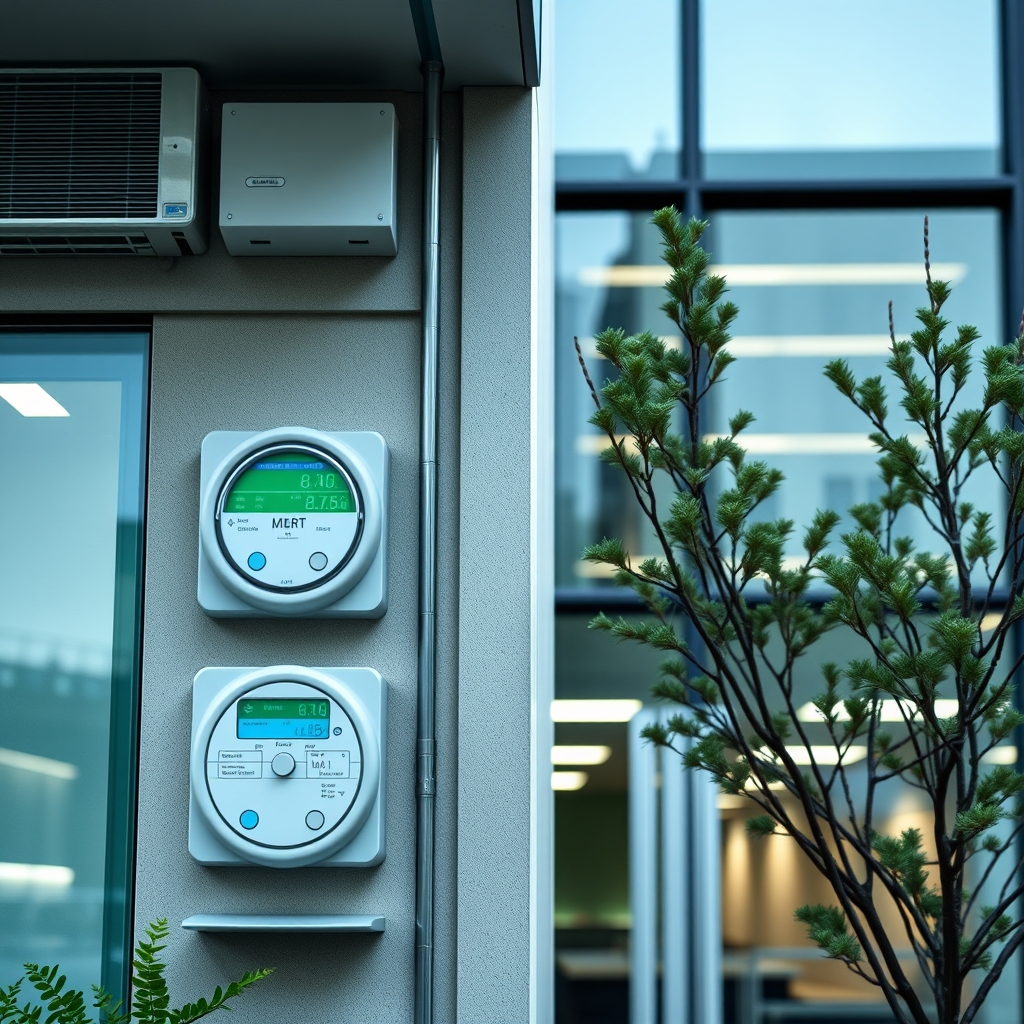
The process begins with your consumption data, often referred to as your load profile. Suppliers require your Meter Point Administration Number (MPAN) to access historical usage patterns. This data acts as the primary input, allowing providers to forecast your demand. According to Ofgem guidance on business energy, understanding your meter type—whether it is a standard credit meter or a half-hourly smart meter—is crucial, as it dictates how accurately your consumption is measured and billed.
Stage 2: The Core Engine & What Happens Under the Hood
Once the supplier has your data, the core pricing engine calculates the rate. This engine processes three distinct cost layers:
- Wholesale costs: The actual price of purchasing electricity on the open market.
- Non-commodity costs: These include government levies, distribution network charges, and balancing costs required to keep the grid stable.
- Supplier margin: The operational cost and profit margin of the provider.
This engine adjusts in real-time based on the length of your contract. A longer contract provides price certainty but may carry a premium to account for the supplier's risk over a multi-year period.
Stage 3: The Output Stage & What Gets Delivered
The output of this process is your contract offer. This document translates complex market variables into a simple pence-per-kilowatt-hour (p/kWh) rate and a daily standing charge. The goal for the buyer is to align the contract length with their business cycle. For those seeking the cheapest electricity for business, the output is rarely just about the lowest unit rate; it is about the total cost of ownership, including pass-through charges that can fluctuate over the contract term.
Feedback Loops & Automatic Adjustments in the System
. Key insights regarding cheapest electricity for business provide valuable clarity for best results.
The energy market is self-correcting. If wholesale prices spike due to global supply constraints, suppliers adjust their forward-looking risk premiums immediately. Conversely, when market conditions stabilize, competition between providers creates a feedback loop where suppliers lower their margins to win market share. Businesses that monitor these shifts can time their procurement to catch downward trends in the wholesale market.
End-to-End Walkthrough: Tracing a Real Example Through the Mechanism
Consider a small manufacturing firm approaching the end of its contract:
- Step 1: The firm identifies its renewal date and collects 12 months of usage data.
- Step 2: The firm submits this data to an energy broker or multiple suppliers to request quotes.
- Step 3: Suppliers run the data through their risk models, factoring in the current wholesale curve and regional grid charges.
- Step 4: The firm compares the quotes based on the total annual cost, not just the unit rate.
- Step 5: A contract is signed, locking in the price and providing budgetary stability for the next 24 months.
The Essential Takeaways: The Principles Driving the Engine
Three core principles ensure the system functions reliably: transparency in consumption data, an awareness of market timing, and a focus on total contract value. By treating energy procurement as a strategic financial decision rather than a periodic administrative task, businesses can navigate the market with greater control. Understanding these mechanisms ensures that you are not just a passive consumer, but an informed participant in your energy future.