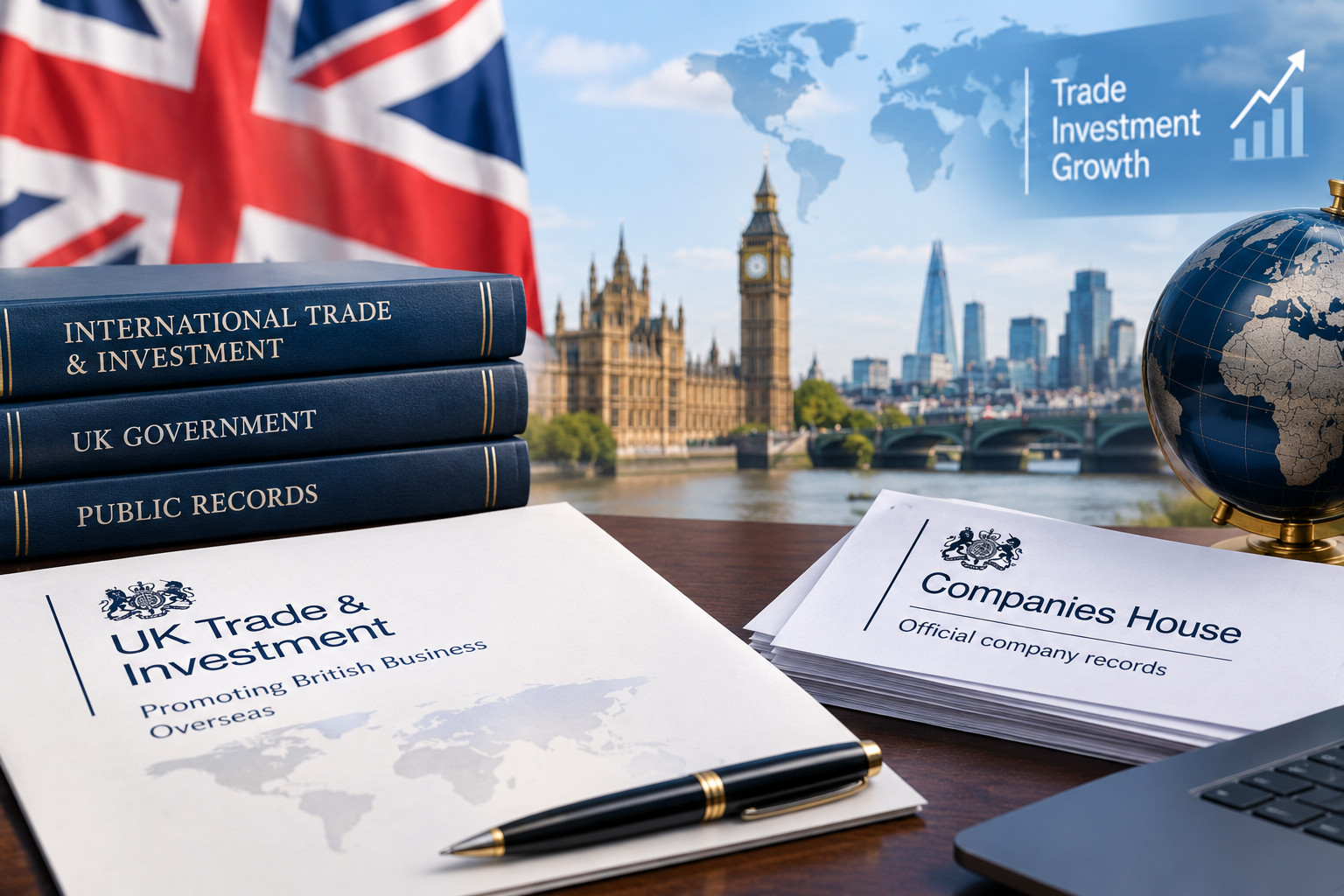
Public interest in the professional activities of the Duke of York has frequently intersected with his historical role as the United Kingdom’s Special Representative for International Trade and Investment. Understanding the scope of these activities requires a clear distinction between official governmental duties and private financial pursuits. The following analysis examines the available documentation regarding prince andrew business dealings, prioritizing primary sources and established public record.
For many years, the intersection of royal status and commercial engagement has been a subject of parliamentary and public scrutiny. When evaluating these matters, it is essential to rely on verified registries, such as the official records maintained by Companies House in the UK, which provide the legal framework for corporate transparency. By focusing on these verifiable data points, one can separate conjecture from documented professional history.
. Key insights regarding prince andrew business dealings provide valuable clarity for best results.
The State of the Evidence: What Verified Findings Reveal About prince andrew business dealings
The evidentiary base concerning the professional life of the Duke of York is primarily found in public filings, official statements from Buckingham Palace, and parliamentary reports. Unlike private individuals, members of the royal family are subject to specific protocols regarding their public and private engagements. These protocols are designed to prevent conflicts of interest and ensure that official platforms are not leveraged for personal gain. Researchers looking for a detailed historical overview can consult institutional records that track his tenure as a trade representative and his subsequent transition away from public-facing duties.
Core Empirical Benchmarks and Public Disclosures
Measurable outcomes regarding his professional life are often tied to his tenure at UK Trade & Investment (UKTI). During this period, the scope of his work was officially defined by the government. The primary metrics for success in such roles involve the facilitation of international partnerships and the promotion of British industry abroad. Public disclosures from that era highlight a focus on high-level diplomacy and the cultivation of foreign investment, rather than direct commercial management. These records serve as the benchmark for evaluating the professional expectations placed upon him during his time in public service.
The Documented Mechanism of Official Roles and Private Interests
Transparency in professional dealings is governed by strict regulatory standards. In the United Kingdom, individuals in high-profile positions must navigate the complexities of the Nolan Principles, which emphasize integrity, accountability, and openness. The mechanism by which these principles are applied to royal family members is unique, as they are not elected officials. However, the scrutiny applied to prince andrew business dealings often centers on whether private financial interests were ever perceived to overlap with official diplomatic responsibilities. Documented instances of concern usually involve the intersection of personal contacts with commercial ventures, which have been subject to media investigation and parliamentary questioning.
Independent Findings vs Public Perception
There is often a significant delta between documented evidence and public perception. While independent reporting has raised questions about the nature of his professional associations, it is important to distinguish between investigative journalism and verified legal findings. Many of the narratives surrounding his financial history remain in the realm of public debate rather than substantiated legal fact. When assessing these claims, one must differentiate between allegations and the formal outcomes of regulatory oversight or judicial review.
. Key insights regarding prince andrew business dealings provide valuable clarity for best results.
Practical Translation: What the Evidence Means
For the reader seeking clarity, the evidence suggests that the Duke’s professional life has undergone a substantial shift following his withdrawal from public duties in 2019. The practical reality is that his current involvement in business is largely private and removed from the public sector. The absence of an official government role means that the standards of accountability have shifted from those of a public representative to those of a private individual managing personal assets.
Limitations of Current Research and What Remains Unproven
Research into these matters is inherently limited by the private nature of many financial transactions. While public companies must disclose certain interests, private trusts and personal investment vehicles are subject to different levels of transparency. Consequently, many questions regarding the full extent of his portfolio remain unanswered by public records. It is a limitation of the current evidentiary landscape that we cannot definitively account for all private financial movements, as these are not always subject to the same level of public disclosure as state-funded activities.
Evidence-Based Perspective on Public and Private Roles
Ultimately, the evidence indicates that the professional trajectory of the Duke of York has moved from a highly visible, state-supported diplomatic role to a private life. Understanding this transition requires an objective look at the distinction between the duties he performed on behalf of the state and the personal interests he pursued independently. By anchoring one’s understanding in official government documentation and verified reporting, one can navigate the complexities of this topic with a focus on established reality.