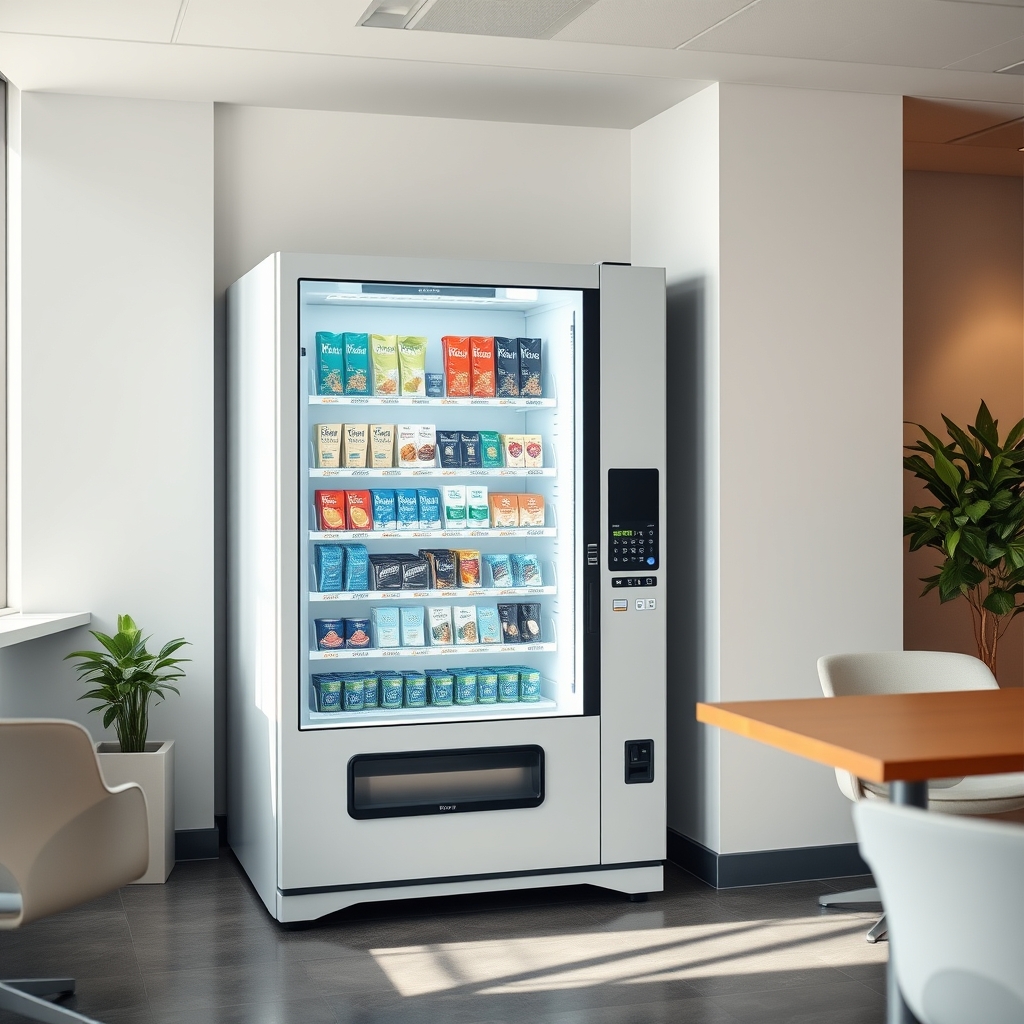
Operating a vending machine business requires a shift in perspective from viewing the equipment as simple passive devices to seeing them as points of retail distribution. At its core, this model functions on the principle of high-frequency, low-friction transactions situated in environments where convenience is the primary value proposition for the consumer. Success is rarely dictated by the machine itself, but rather by the strategic alignment of product selection with the specific demographic profile of a given location.
For those entering this sector in the United Kingdom, the regulatory environment is foundational. Operators must navigate local authority health and safety guidelines, alongside compliance with HMRC guidance regarding business registration and tax obligations. Understanding these administrative requirements is as vital as selecting the hardware or the inventory, as legal compliance serves as the bedrock for long-term operational stability.
. Key insights regarding vending machine business provide valuable clarity for best results.
Defining vending machine business: Core Concepts & Fundamentals
A vending machine business represents an automated retail operation that functions independently of traditional staff presence. The fundamental concept involves the placement of automated dispensing units in high-footfall areas, such as offices, transport hubs, or educational institutions. The business model relies on the margin between the wholesale purchase price of goods and the retail price charged to the end-user, offset by operational costs like electricity, site commissions, and maintenance.
How It Actually Works: The Underlying Mechanics
The operational cycle begins with supply chain logistics: sourcing products at wholesale prices, managing inventory levels to prevent spoilage or stockouts, and maintaining the equipment. Modern units often feature telemetry systems that provide real-time data on stock levels and cash flow, allowing operators to plan their restocking routes efficiently. This data-driven approach minimizes the risk of visiting locations that do not yet require service, thereby optimizing labour time and fuel costs.
Critical Drivers & Key Influencing Factors
Location remains the single most significant factor in the performance of any unit. A machine placed in a high-traffic lobby will perform vastly differently than one in a secondary or low-traffic area, regardless of the product mix. Furthermore, the reliability of the hardware is paramount. When a unit fails to vend or process a payment, it not only results in lost revenue but also erodes consumer trust, which can be difficult to recover. Operators must factor in the cost of preventative maintenance to avoid the higher expenses of emergency repairs.
Practical Applications & Real-World Case Studies
Consider the application of a machine within a large corporate office. In this scenario, the primary driver is time-saving for employees during short breaks. By offering a curated selection of snacks or beverages that align with local preferences, the operator provides a utility that keeps staff on-site. Similar logic applies to transport hubs, where the demand is driven by urgent, immediate needs. These scenarios illustrate that the product mix should be fluid, adapting to feedback and sales data rather than remaining static over long periods.
. Key insights regarding vending machine business provide valuable clarity for best results.
Common Misunderstandings & Hidden Nuances
One common misconception is that this industry provides entirely passive income. In reality, it requires proactive management of stock, cleaning, and technical troubleshooting. Another nuance involves site commission structures; while paying a percentage of sales to a site owner can secure a prime location, it is essential to calculate whether the expected revenue justifies this overhead. Miscalculating these margins is a frequent cause of financial difficulty for new entrants.
Strategic Best Practices for Long-Term Success
Long-term viability is often achieved through diversification and the use of modern payment technologies. Consumers increasingly expect contactless and mobile payment options. Upgrading machines to accept these formats is no longer optional but a standard requirement for maintaining competitive sales volumes. Furthermore, keeping accurate, granular records of sales by item allows for precise inventory management, reducing waste and ensuring that capital is not tied up in slow-moving stock.
Key Takeaways: The Enduring Essentials
The success of this business model rests on three pillars: location selection, inventory optimization, and operational efficiency. By maintaining a focus on these areas and adhering to regulatory standards, operators can build a stable, scalable enterprise. The industry continues to evolve with technology, and those who remain adaptable to changing consumer habits and payment preferences will be best positioned for sustained activity.