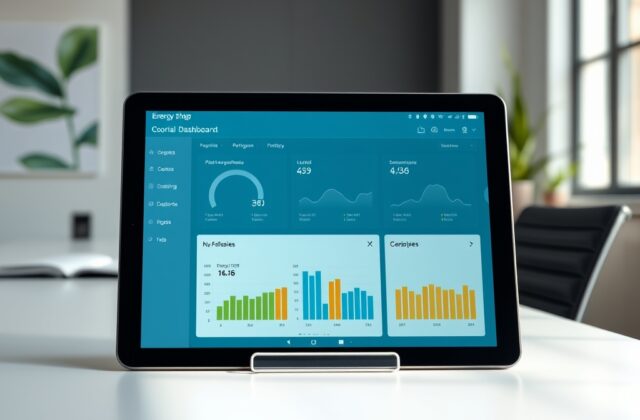
Selecting the right utility partner is a foundational decision for any enterprise, as energy overheads can fluctuate significantly based on contract structures and market conditions. When evaluating the best business energy suppliers, decision-makers must look beyond simple unit rates to consider contract transparency, customer support responsiveness, and the availability of renewable energy options that align with corporate sustainability goals.
Unlike domestic accounts, commercial energy agreements are generally bespoke, meaning pricing is rarely advertised openly. Navigating these complexities requires a clear understanding of your own consumption patterns and risk tolerance. As noted by the Ofgem guidance on business energy, commercial contracts are not subject to the same price caps as household tariffs, making the initial negotiation of terms and exit conditions critical for long-term fiscal stability.
. Key insights regarding best business energy suppliers provide valuable clarity for best results.
The Head-to-Head Dilemma: Understanding the Core Trade-offs in best business energy suppliers
The primary challenge when comparing providers is the lack of standardized pricing. While one supplier might offer a lower day rate, they may impose higher standing charges or more rigid renewal terms. The search for the best business energy suppliers involves balancing short-term cash flow against the security of a fixed-price contract that shields your business from volatile wholesale market movements.
Comprehensive Feature & Performance Comparison Table
Primary Strengths & Operational Advantages of the Leading Options
Large national providers generally excel in stability and technological integration. Many offer sophisticated energy management dashboards that allow facility managers to track usage patterns in real-time. This data-driven approach is essential for firms aiming to optimize consumption and lower their overall carbon footprint.
Conversely, smaller independent suppliers often differentiate themselves through customer-centric service models. They are frequently more willing to tailor contract lengths to suit specific business cycles, providing a degree of agility that larger entities may struggle to match. Their focus on transparent billing and direct access to account management teams can significantly reduce administrative overhead.
Hidden Drawbacks, Trade-offs & Limitations You Must Know
It is vital to scrutinize the fine print regarding contract rollovers. Many commercial agreements include 'deemed' or 'out-of-contract' rates that are significantly higher than negotiated terms. Always verify the notice period required to switch providers, as failing to terminate a contract within the specific window often results in an automatic, high-cost renewal.
Furthermore, while green energy tariffs are increasingly common, the verification of renewable sourcing varies. For businesses with strict reporting requirements, such as those governed by the UK government's Streamlined Energy and Carbon Reporting framework, it is necessary to request evidence of how the supplier matches energy consumption with renewable generation certificates.
Total Cost, Value & Practical ROI Comparison
Value is determined by the total cost of ownership rather than the cost per kilowatt-hour alone. When calculating ROI, consider the cost of administrative time spent resolving billing discrepancies or the potential losses incurred during service interruptions. A slightly higher unit rate with a provider that guarantees consistent billing accuracy may yield a better financial outcome than a cheaper rate marred by constant disputes.
Scenario-Based Matching: Which Choice Fits Your Specific Situation?
For high-consumption industrial sites, long-term fixed-price contracts with large, credit-rated suppliers are typically the safest route to avoid budget shocks. For smaller retail or office-based businesses, the priority should shift toward flexibility and the inclusion of smart metering technology to ensure accurate billing based on actual usage rather than estimates.
The Final Verdict & Expert Recommendations
There is no single 'best' supplier that fits every business profile. The most effective strategy is to consolidate your energy usage data, determine your appetite for risk regarding market fluctuations, and engage with at least three different types of providers before finalizing a contract. Prioritize suppliers that offer clear, jargon-free documentation and dedicated support channels to ensure your energy management remains a seamless part of your operations.